
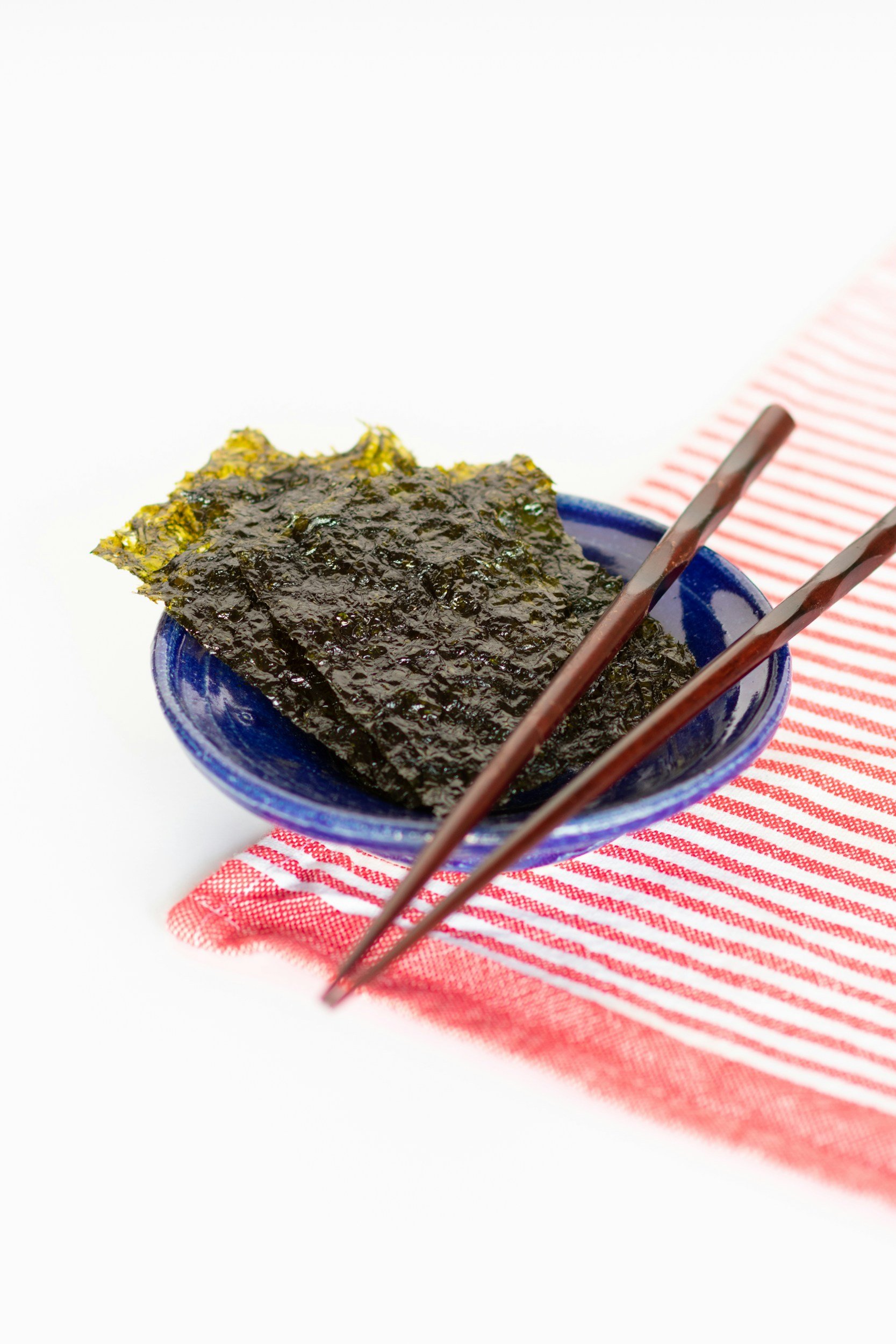
Once confined to sushi rolls and miso soup, sea vegetables are stepping into the spotlight as one of the most talked-about health foods of the moment. Varieties such as nori, wakame, kombu and kelp are now appearing in salads, seasonings and snacks — and for good reason. They’re nutrient-dense, versatile, and among the most environmentally sustainable foods we can eat.
What Are Sea Vegetables?
Sea vegetables are edible seaweeds harvested from coastal waters or grown on ocean farms. Common types you’ll see in Aotearoa include:
Nori – thin sheets used for sushi and wraps
Wakame – tender greens often used in salads and soups
Kombu/Kelp – thicker seaweeds used for stocks, broths and seasoning
Dulse – chewy, savoury flakes or strips, sometimes eaten as a snack
They’ve been staples in East Asian cuisines for centuries and are now being rediscovered for their nutritional value and low environmental footprint.
Nutritional Benefits at a Glance
Sea vegetables pack a surprising amount of goodness into a small serving:
Iodine for thyroid health
Iodine supports healthy thyroid function, which plays a role in metabolism and energy regulation. Sea vegetables are one of the richest natural sources.Vitamins and minerals
Many varieties contain vitamins A, C, E and K, along with minerals such as magnesium, calcium and iron.Dietary fibre
Seaweeds contain unique fibres that support gut health and may help with digestion and satiety.Naturally low in calories
They add flavour and nutrients without adding much energy, making them an easy way to boost meals nutritionally.
A Note on Balance
While sea vegetables are highly nutritious, iodine content can be high. Small, regular amounts are beneficial for most people, but very large intakes may not suit everyone — particularly those with thyroid conditions. As with any “superfood”, moderation matters.
How to Add Sea Vegetables to Your Diet
You don’t need to overhaul your cooking to enjoy the benefits. Start small:
Nori wraps – use instead of bread or tortillas for lunch wraps
Wakame salad – rehydrate and toss with cucumber, sesame oil and a splash of citrus
Kelp flakes – sprinkle over eggs, vegetables or popcorn as a mineral-rich seasoning
Broths and soups – add kombu to stocks for depth of flavour (umami)
Snackable options – lightly roasted seaweed sheets are widely available
Sustainability: Good for You, Good for the Planet
Sea vegetables are one of the most environmentally friendly foods available:
No freshwater required
No fertilisers or pesticides
Absorb carbon and excess nutrients from the ocean
Fast-growing and regenerative
Seaweed farming can even improve marine ecosystems by creating habitats for fish and helping restore water quality. From a sustainability perspective, sea vegetables tick almost every box.
What to Look for When Buying
Check the source: Look for sustainably harvested or farmed products
Watch the sodium: Some packaged seaweed snacks can be high in salt
Keep it simple: Choose minimally processed options where possible
NZ-made options: Increasingly, local producers are offering seaweed products sourced from New Zealand waters
The Takeaway
Sea vegetables are more than a food trend — they’re a practical, nutritious and planet-friendly addition to everyday meals. With their unique flavour, impressive nutrient profile and low environmental impact, they offer a simple way to eat with both personal and planetary health in mind.
As with all health foods, the sweet spot is variety and moderation. A little sea vegetable, enjoyed often, goes a long way.