
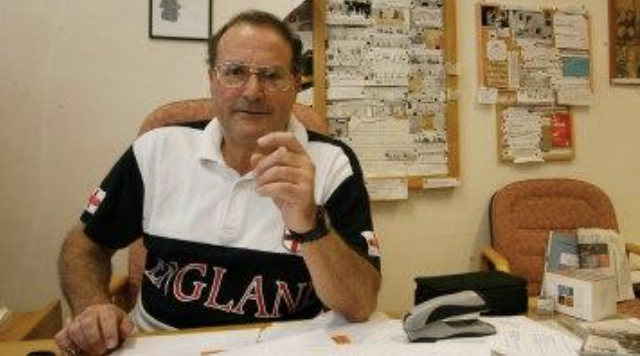
Self-described maverick known for his unusual attire in court and ‘hugs not drugs’ way of tackling crime, died aged 77 over the holidays. When he set up the West London Dedicated Drug Court (DDC) in 2005, Justin Philips ripped up the judicial rule book and chucked it in the bin. Rather than punish offenders, he preferred to reward them with an embrace or a kiss. Shunning a wig, robes or a business suit, he often sported a striped rugby jersey emblazoned with the slogan “Hugs Not Drugs”. Devoid of a bench or dock, his humble courtroom centred on two chairs set just a couple of feet apart. Philips eschewed wigs and robes for a more casual look while on his mission to find effective ways to treat drug offenders.
Justin Philips built a legal career across both sides of the courtroom, working as a defence lawyer and prosecuting on behalf of the Metropolitan Police before realising his ambition to sit on the Bench. In 1989, he became London’s youngest stipendiary magistrate, marking the beginning of his judicial career. When the role was later abolished, he transitioned to become a district judge. Along the way, he also took on leadership roles in youth courts and served as an assistant recorder, before stepping away from that position to lead the West London Dedicated Drug Court.
The physical setting of Philips’s courtroom reflected his rejection of tradition. The space, repurposed from a former smoking area at Hammersmith Magistrates’ Court, was modest and informal. His appearance matched the tone he set: rugby jerseys, casual shirts worn loose over tracksuit pants, and worn trainers replaced the formal attire typically associated with the judiciary. This approach drew criticism from colleagues, but Philips was unapologetic about expressing himself in a way he felt was authentic and disarming.
In court, Philips deliberately stripped away formality. He sat close to those appearing before him and referred to them as “clients” rather than defendants. He encouraged first-name terms and invited people to call him “Judge Justin”. His approach to rehabilitation was unconventional: periods of sobriety were met with gestures of encouragement, and small rewards were offered to reinforce positive progress. For Philips, building human connection was a core part of the judicial process.
His commitment extended beyond the courtroom. Against the advice of peers, Philips shared his personal phone number with those going through the programme, believing it was better for them to reach out for support than return to harmful influences. While his style appeared soft to critics, he was clear that accountability remained central to his work. He combined compassion with firmness, making it clear that breaches of court orders carried real consequences.
Underlying Philips’s work was a deep scepticism about the effectiveness of imprisonment in addressing addiction-driven crime. He argued that incarceration rarely addressed the root causes of offending and often failed to deter repeat behaviour. Instead, he believed structured rehabilitation, monitoring and support offered a more effective pathway for individuals caught in cycles of addiction and petty crime. Stories of people who rebuilt their lives after treatment reinforced his conviction that alternatives to prison could deliver better outcomes for individuals and for society.
Beyond the courtroom, Philips contributed to national discussions on drug policy. In 2008, he joined a government advisory body focused on the misuse of drugs, where he advocated for a more integrated response to addiction — one that brought together courts, treatment providers and social support services. He believed that fragmented systems failed people at their most vulnerable moments, and that coordinated care offered a more humane and practical solution.
Colleagues and those who appeared before him remembered Philips as a judge who valued transparency and fairness. He was known for clearly explaining his decisions, even when not required to do so, and for pairing sharp wit with genuine empathy. He took particular pride in encouraging younger members of the profession, offering guidance and support as they developed their careers.
In his personal life, Philips never married and had no children. After retiring, he settled in Jerusalem, where he remained active in progressive Jewish community life and supported others who had relocated to Israel from Africa. He often spoke of his family background as grounding him in humility, seeing his own role in the justice system as part of a broader responsibility to treat people with dignity — even when making difficult decisions.
Justin Philips, lead judge of the West London Dedicated Drug Court from 2005 to 2012, was born on 18 July 1948 and died on 17 October 2025, aged 77.