

In a world that often measures success in financial terms, the Japanese concept of ikigai offers a refreshing perspective. Transcending the boundaries of culture and geography, this philosophy loosely translates as "a reason for being". Ikigai is a convergence of what you love, what you're good at, what the world needs and what you can be paid for. It's an approach that represents a broader view of prosperity, encompassing joy, purpose, and contentment. This article delves deeper into how ikigai can not only enrich your life but also inform your financial decisions for a more fulfilling journey.
What is Ikigai?
Ikigai lies at the heart of Japanese longevity and happiness, a concept deeply embedded in their daily life. It's the intersection of four primary elements:
What you love (your passion)
What you are good at (your vocation)
What the world needs (your mission)
What you can be paid for (your profession)
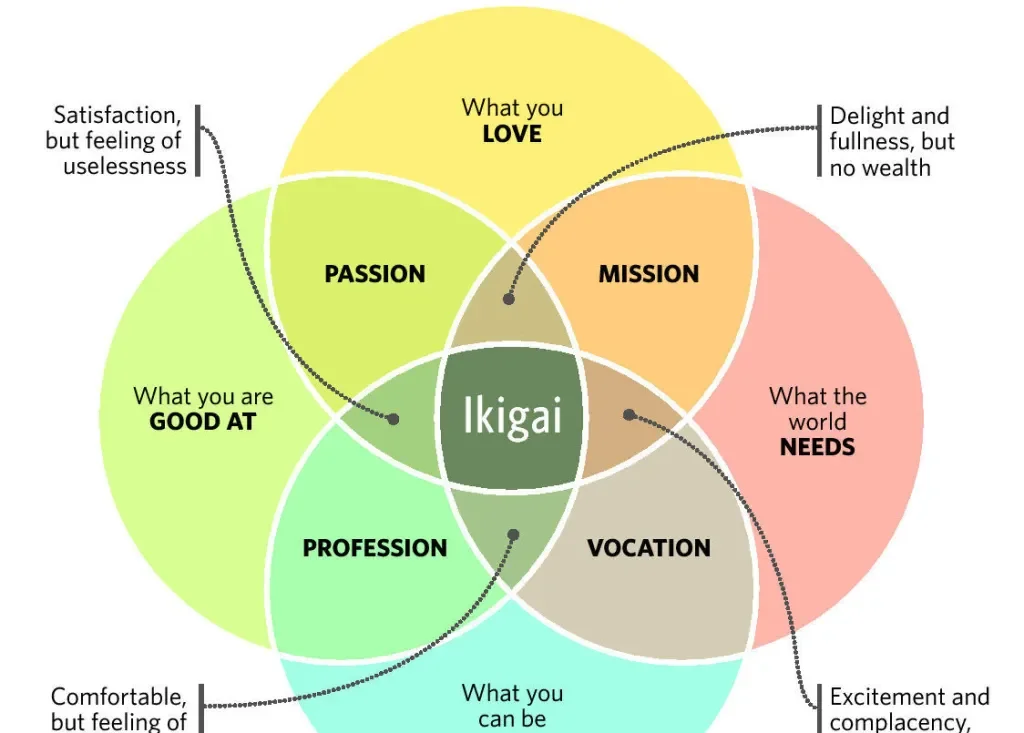
When these elements align, they create a sense of purpose, fulfilment and balance. This framework isn't just about finding a single life purpose but discovering multiple aspects that contribute to a well-lived and fulfilling life.
Ikigai isn’t a new fad; it's deeply rooted in Japanese culture, dating back centuries. It’s tied to the Japanese longevity and their renowned work ethic, where work isn't just a means to an end but a path to self-fulfilment. Understanding this cultural context enriches the application of Ikigai in our daily lives.
Ikigai and Holistic Wellbeing
The pursuit of ikigai isn’t limited to professional fulfilment; it’s about overall wellbeing. It encourages a balanced lifestyle that nurtures the physical, emotional, and financial aspects of life. In Japan, ikigai is often associated with long, fulfilling lives. It encourages us to find harmony in our relationships, health, hobbies, and work. It’s about finding joy in everyday activities, fostering relationships, and pursuing lifelong goals – principles that can significantly impact one’s financial health and stability.
While the traditional ikigai model focuses on the individual, expanding it to include community and environmental factors can add depth to your financial strategies. Consider how your financial decisions can contribute to societal wellbeing and environmental sustainability.
Integrating ikigai with Financial Planning
How does Ikigai relate to financial advice? Subtly, yet profoundly. Here are a few ways to integrate this concept into your financial planning:
Investment and Passion Alignment: Go beyond traditional investment strategies; consider impact investing or ESG (Environmental, Social, and Governance) funds that reflect your personal values and passions.
Contribution and Spending: Align your spending with what the world needs. This could mean supporting local businesses or investing in community projects. Such spending not only contributes to a greater cause but also brings personal satisfaction.
Earning with Purpose: A career like the Judiciary, is likely to be aligned with your ikigai and as such likely to be fulfilling.
Practical Ways to Implement ikigai: Ikigai is not just a lofty goal; it’s about daily practices. We can explore simple daily routines or habits that can help align your life with the ikigai philosophy, such as mindful spending, regular reflection, and community engagement.
Self-Reflection: Start with introspection. What are your core values? What brings you joy? Understanding these can guide your financial decisions. Journals, workshops, or even counselling can facilitate this process.
Create a Balanced Life Plan: Ikigai is not just about financial gain; it's about balance. Draft a life plan that incorporates your financial goals, personal aspirations, and wellness strategies. Regularly review and adjust this plan as your life evolves and ensure your financial goals don’t overshadow your personal well-being.
Adopt a Long-Term Perspective: Japanese culture values long-term benefits over short-term gains. Apply this to your financial planning – think long-term investments, retirement plans, career planning, personal development and sustainable spending habits.
Lifelong Learning and Adaptability: Embrace new skills and knowledge, both in your personal and financial life.
Community Engagement: Involvement in community activities can enhance your sense of purpose and belonging.
Embracing Change: The Lifelong Journey of Ikigai
Ikigai is not static; it evolves as you move through different stages of life. From young professionals to retirees, understanding how Ikigai can guide each stage provides a framework for continuous growth and satisfaction.
Ikigai offers a holistic approach to life and financial planning, one that emphasises balance, purpose, and sustainability. We encourage you to explore and embrace your ikigai. It’s a journey of discovering what truly matters to you and how you can align your financial strategies with these values. By finding your ikigai, you’re not just planning for a prosperous future; you’re also creating a fulfilling present.
This article is for general information purposes only and does not constitute financial advice. The content is based on information current at the time of writing and may be subject to change.
Lifetime Group Limited is a licensed Financial Advice Provider. For advice specific to your situation, please speak with a Financial Adviser. You can view our Disclosure Statement here.
All investments involve risk and are not guaranteed. Any examples or projections are for illustration only and should not be relied on as advice.