
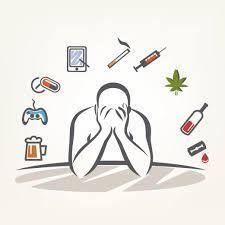
When most of us hear the word addiction, we think of illegal drugs such as fentanyl, steroids, cocaine, marijuana, heroin, or even nicotine and, perhaps reluctantly, alcohol.
But not so fast. Beyond physical addictions, there are two other major groups of addiction traps that anyone can fall into: behavioural addictions and impulse control disorders.
These may hit closer to home. Even if judges themselves aren’t typically affected, it’s almost certain we all know someone who struggles in these areas. In truth, none of us are immune — we all have the capacity for behavioural or impulse-related addiction.
1. Physical Addictions
Alcohol addiction
Tobacco addiction
Opioid addiction
Marijuana addiction
Prescription drug addiction
Inhalant addiction
PCP addiction
Amphetamine addiction
Cocaine addiction
Hallucinogen addiction
2. Behavioural Addictions
Sex addiction
Food addiction
Pornography addiction
Exercise addiction
Work addiction
Self-harm addiction
Religious addiction
Shopping addiction
Video game addiction
Gambling addiction
Internet addiction
3. Impulse Control Disorders
Intermittent explosive disorder
Kleptomania
Pyromania
Trichotillomania
Dermatillomania
If you or someone you love identifies with even one of the above, it’s a warning sign — and a reason to seek professional help.
“Addiction is a chronic condition characterised by compulsive seeking and use of a substance or engagement in a behaviour despite negative consequences. It’s a brain disorder that affects reward, stress, and self-control systems, leading to a strong urge to repeat the behaviour even when it causes harm.”
Addiction Starts Early – and Spreads Widely
In the United States, one in 12 babies are exposed to addictive substances. While an optimist might interpret this as exposure, not addiction, when you add in exposure to behavioural and impulse-related addictions, the question becomes: are any of our children truly safe? Unless there’s a global shift in attitude and action, judges may find themselves continually presiding over cases driven by addiction.
The “Just Once” Trap
Environmental factors are too complex to explore fully here, but one fact remains clear: once a person chooses to engage, medical and psychological effects can quickly take hold.
That “just this once” moment often becomes “just once more.”
The Brain’s Chemistry of Pleasure
Pleasure is essential to a happy, fulfilling life. But some people seek pleasure before their brain’s chemistry has learned how to regulate it.
The brain’s pleasure centre lies in the frontal cortex, where reward chemicals — dopamine, serotonin, oxytocin, and endorphins — are released. These chemicals bring enjoyment, but problems begin when we artificially boost them beyond what the brain can manage.
Over time, the same level of pleasure requires more stimulation, creating a cycle the body can’t sustain. When these rewards come from natural sources, the impact is manageable. When they’re artificially induced, the results can be disastrous.
Famous lives lost to addiction—Janis Joplin, Amy Winehouse, Elvis Presley, Prince, and Michael Jackson—illustrate how addiction spares no one. Many rationalised that prescription meant safe, but the brain’s nucleus accumbens, the centre of craving and pleasure, doesn’t distinguish between legal and illegal—it only seeks satisfaction.
Prescription Doesn’t Mean Safe
In the US, around 6% of prescriptions are misused, and 12% of prescription users develop an addiction.
New Zealanders are not immune. In some areas, our rate of prescription-related side effects is among the highest in the world—largely because we take more medications.
Addiction doesn’t exist in isolation; its consequences ripple through families and communities, no matter how hidden the behaviour might seem.
Treatment and Recovery
Treatment has two key approaches:
Remove the source of stimulation (the triggers of dopamine, serotonin, oxytocin, and endorphins).
Remove the person from those triggers.
Thankfully, no one individual must play judge and jury in that decision—help is available.
Key Points About Addiction
Addiction is when you lose control over using, doing, or taking something to the point it causes harm to you or others.
Addiction is a treatable condition. Recovery is possible.
It changes the way your brain works, creating intense cravings and loss of control despite harmful consequences.
You can become addicted to anything — especially things that make you feel good or offer relief.
Recovery often involves therapy, medication, and lifestyle changes.
You don’t have to face addiction alone — help and support are available.