
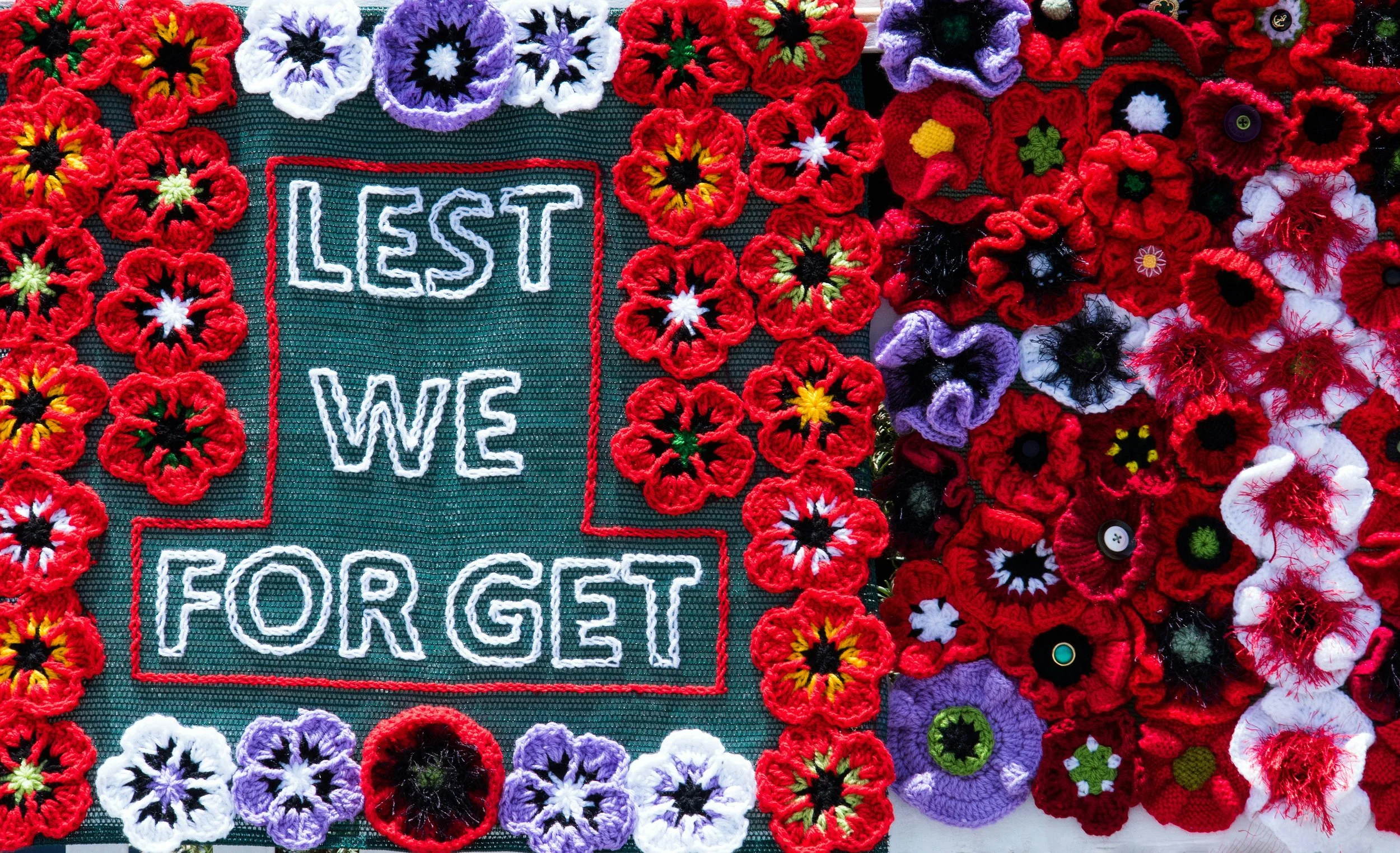
With ANZAC Day just passed and numerous global wars ongoing, many of us are in a state of reflection and remembrance of those who have fought for us and those who suffer in wartime. Books can be a useful tool to guide us in these times, and the below titles promise to offer insights, experiences and responses on the ANZACs and more broadly, the concept of war itself.
All Quiet on the Western Front – Erich Maria Remarque
Probably the most acclaimed wartime fiction of all time, All Quiet on the Western Front takes us to the trenches of World War 1 alongside the young Paul Bäumer, enlisted in the German army. The epigraph of the novel summarises it best: “This book is to be neither an accusation nor a confession, and least of all an adventure, for death is not an adventure to those who stand face to face with it. It will try simply to tell us of a generation of men who, even though they may have escaped shells, were destroyed by the war”.
Odyssey of the Unknown ANZAC – David Hastings
David Hastings, journalist and historian, draws on a rich variety of historical sources from newspapers, hospital and army archives to personal recollections, to cast some light on the unknown – the Unknown ANZAC soldier, to be precise. Thousands were compelled by the revelation of an unknown soldier still residing in a Sydney psychiatric hospital ten years after the end of World War 1. David Hastings delivers a humanising profile of that man, George McQuay, a rural New Zealander, and his terrifying experience of war.
The Future is Peace – Aziz Abu Sarah & Maoz Inon
Described by the publisher as “sending an urgent message that the people have the power to make change”, The Future is Peace is written by two friends – one Palestinian, one Israeli – as they show us proof that peace is not a naive dream, but a courageous choice. The book follows them on a weeklong journey across Israel, exploring how compassion and unity can bring us together and challenge blind hatred and violence. They leave readers with a challenge that has become the catchphrase of their book: “One cannot find hope. We must create it.”
The Last Post – Emma Campbell
The byline of this book, ‘A Ceremony of Love, Loss and Remembrance at the Australian War Memorial’ will resound with those of us who join in on dawn and daytime services on ANZAC day each year to honour those who fought, and in many cases gave their lives, for our freedom. Emma Campbell profiles some of the 102,800 Australian soldiers who are on their national Memorial’s Roll of Honour while exploring themes of courage, loss, and redemption as the characters navigate their lives around the shadows of their military past. The book also explores how and why we commemorate, and the role of the Australian War Memorial in national remembrance.
Habeas Corpus in Wartime: From the Tower of London to Guantanamo Bay – Amanda L. Tyler
Although habeas corpus is a domestic legal issue, it is closely related to the law of armed conflict. If you’re interested in wartime law, Professor Amanda L. Tyler offers a rich discussion of the political and legal history behind the concept of habeas corpus and the way it has been used in the post-9/11 era of counterterrorism. The book traces the use of the concept in law as far back as 1679 and through to modern times, shedding light on how many questions arising today relating to the scope of executive power to arrest and detain in wartime are not in fact new.