
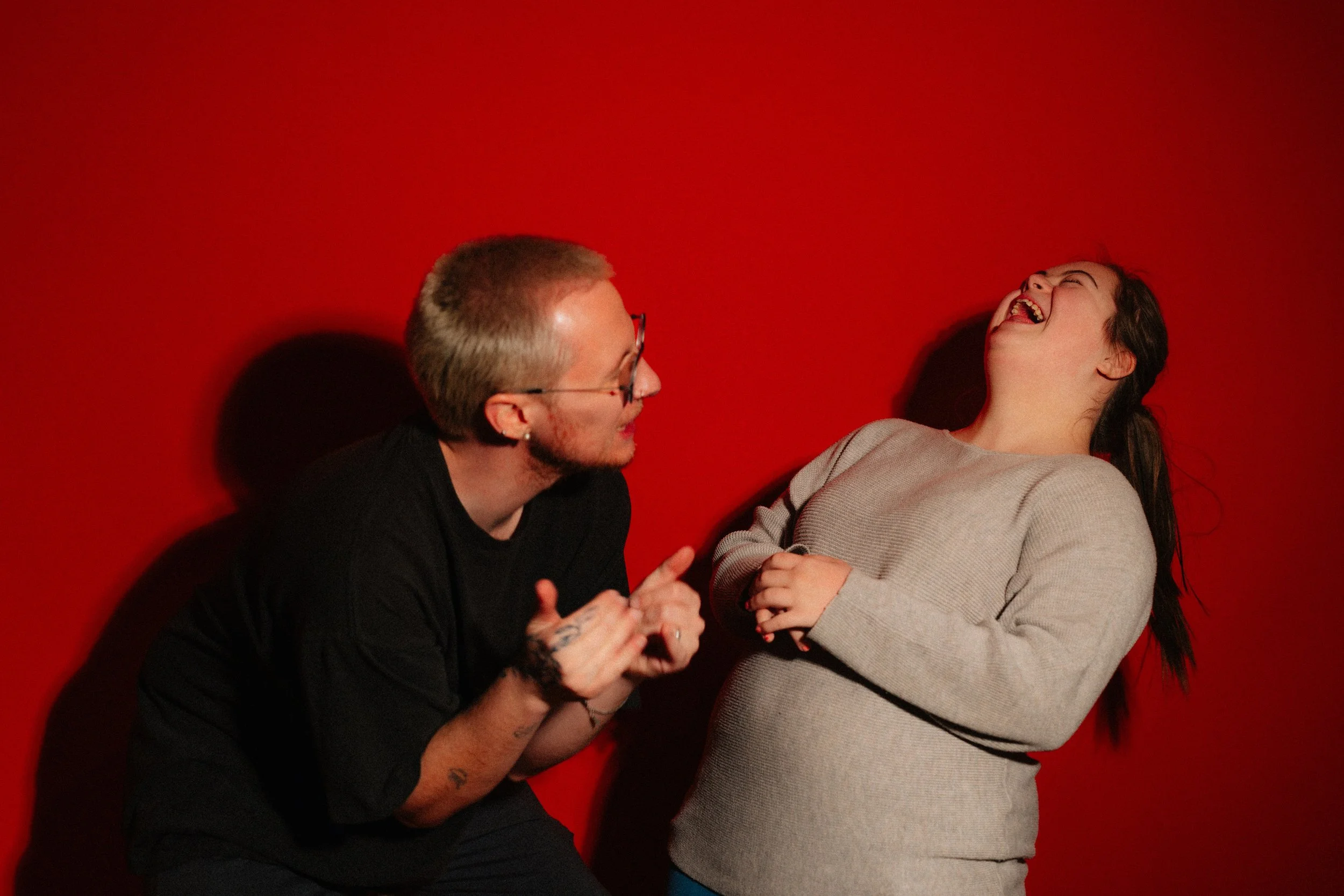
No, this article is not about the Warriors Rugby League seasons over the past few years — where they have shown much promise but less delivery (until now) — it is about life, where we can all perform below our best, yet with persistence and elevated spirits suddenly create substantial joy and comfort for ourselves and others.
Laughter can be the best medicine. Shifting a person's mood from depressed to happy produces:'
Endorphins (Endogenous Opioids): Often called the body's natural painkillers, laughter triggers the release of endorphins, which promote feelings of euphoria, pleasure, and relaxation.
Dopamine: This neurotransmitter is part of the brain's reward system, increasing pleasure, motivation, and positive feelings.
Serotonin: Laughter helps boost serotonin levels, stabilising mood, increasing feelings of well-being, and acting similarly to some common antidepressants.
Oxytocin: Known as the "bonding hormone" or "love hormone," laughter — particularly social laughter with friends — triggers oxytocin, promoting trust, empathy, and social connection.
Human Growth Hormone (HGH): Mirthful laughter has been shown to boost the secretion of growth hormone, which enhances immune responses.
Not a bad investment for the health rewards on offer. There is, however, a caveat: the right circumstance and right content are required before over-investing. Cancer humour — or "tumour humour" — for example, is more often generated by the closely affected party than by those once removed. There is a clear parallel with gallows humour.
Gallows Humour
Gallows humour is a type of dark, ironic, and sardonic humour that makes light of subject matter generally considered serious, painful, or taboo — particularly death, disease, or hopeless situations. It is often described as "laughing in the dark" as a way of coping with horrific events.
The term originates from the image of someone condemned to death making a joke on the gallows — such as the 1856 case of a murderer asking whether the trapdoor was safe. It is closely linked to the German term Galgenhumor, noted in literature as early as the 1870s to describe the forced levity of people in desperate circumstances.
Gallows humour is a widely recognised defence mechanism in high-stress professions, including police officers, firefighters, ambulance crews, and medical staff. It can serve as a form of emotional resistance to oppression or terrible circumstances, demonstrating that the situation has not entirely broken the person's spirit. Research has also suggested that individuals who appreciate dark humour may have higher IQs, show lower aggression, and be more resilient against negative feelings.
Some examples:
Historical: A 1947 convict on his way to the electric chair remarking, "This is the first time the authorities have helped me escape prison."
Wartime: British soldiers in WWI referring to dismembered limbs as "bits of Bill" to cope with the absurdity of the carnage.
Professional: An EMT saying, "When I die, you can wait until I'm a skeleton — I'll be easier to move."
While it can be therapeutic, gallows humour is highly dependent on context and audience. It is generally best shared within a close-knit group experiencing the same stress, and can seem repulsive or disrespectful to outsiders.
Laughter is the best medicine
Today's fragile social landscape is populated by many who find fault in everyone and everything, and who, through social media, have the means to broadcast their views — often without correction. Recent reports highlighted the number of complaints made against judges, and the very few upheld. The converse appears true for rugby referees in New Zealand, where annually between 68 and 79 complaints of serious physical and verbal abuse are made — against the referees, not by them. One wonders how many judges are physically or verbally abused in their courtrooms, let alone in wider society.
One supposes that even where there are serious affronts to a judge's sensibilities, little will be done.
In the meantime, the prescription for good health is simple: laugh with vigour, trigger nature's healing chemicals — but when in doubt, perhaps reserve it for the group you closely identify with. College humour may be trite, but collegial humour can display both might and right.