Chris McGuire talks about the importance of breathing well and the power of breath training
I cried until I laughed
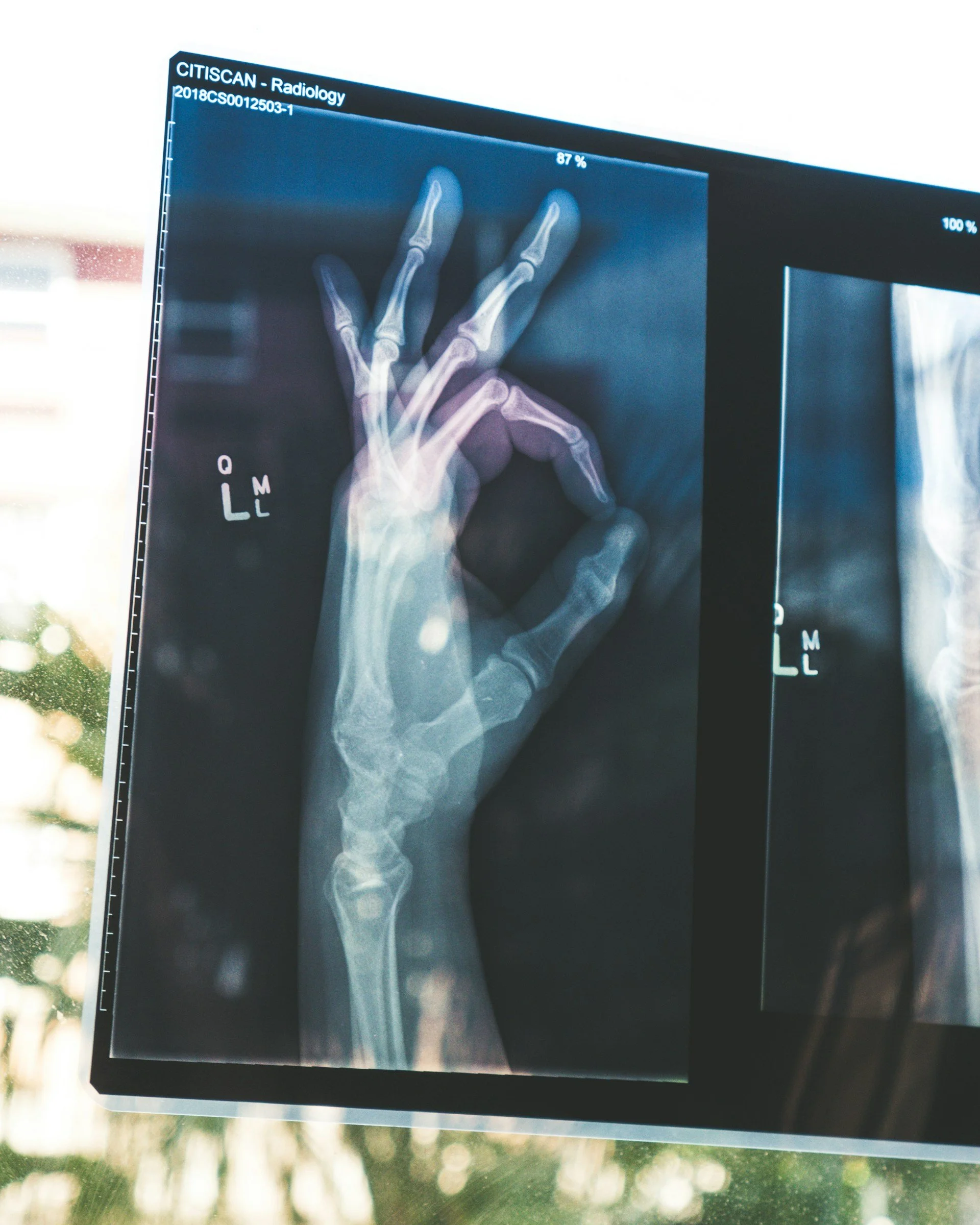
Think about things differently: Medical imaging
How to create a 'death file'
I've got a 'death file' – everyone should have one
How much sleep do you really need? The big sleep Q&A
We spend roughly a third of our lives unconscious and vulnerable, which tells you something important — if evolution could have engineered a way around sleep, it would have. It hasn’t.
If you struggle with sleep, the idea that some people fall into it without a thought might be mind-blowing. Perhaps you approach bedtime with a quiet dread, already bracing for a battle?
Sleep is not a competition. It is a rhythm — imperfect, human and, when given half a chance, remarkably resilient. What we might need is less panic and more perspective, which I hope the answers to these questions will bring.
How much sleep do we really need? Is it really eight hours? If you’re fed up with tossing and turning, psychotherapist Heather Darwall-Smith has the answers to all your sleep problems
The health apps worth having on your phone
A little less movement. A little more sitting. Sleep becomes inconsistent. Stress becomes ordinary. The body adapts to long hours, mental strain, and poor habits until, eventually, those habits begin to show themselves in energy, weight, mood, concentration, blood pressure, or simply a dull sense that one is not functioning quite as well as one once did.
The number one drug for longevity
Whether or not you choose to exercise your right to advance “past go” is up to you. There is no monopoly on who may avail themselves of the number one drug for longevity, or on the degree to which they may partake — though, by location, perhaps a few of your clients are a little restricted. But not you.
How much sleep do we really need? Your most common sleep questions answered
Judge’s leadership challenge/d
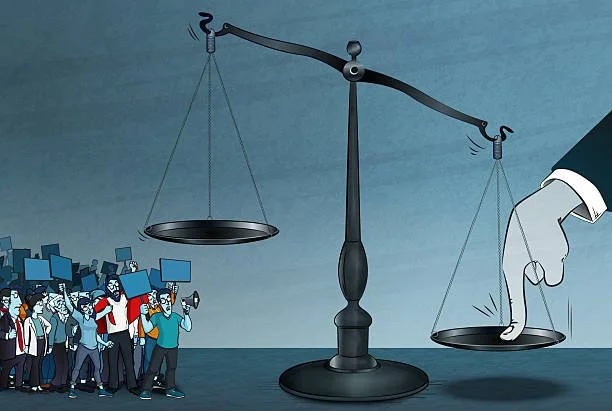
Judges are, in a unique sense, leaders. For society, this is healthy. People need somewhere to take their real or perceived grievances so they can be revealed, examined, and adjudicated. If injustice is bottled up and allowed to escalate without the opportunity for a wise, respected, neutral second opinion, harmful situations can develop — situations that are far from being “free from illness or injury”, in other words, unhealthy for society.
Influence: do you have it, or even want it?
A Christmas presence: judge's wellness
Law and odour
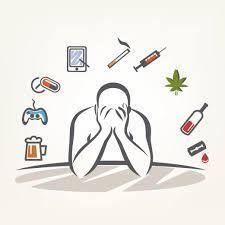
Get it out of your head: Not all addictions involve illegal substances
Is there a difference between female and male skin?
It is not too late to shut the stable door
Judges, how many surveys have you been asked to complete recently? Beyond the compulsory New Zealand Census, most surveys are biased from the outset, completed only by those who feel inclined to share their opinions. My assumption is that you are not seeking another survey. Instead, perhaps you prefer to reflect on a perspective, acknowledging it may also carry bias, and consider whether truly “open-and-shut” cases even exist.
Is it healthier to love or to hate?
Judges embody discernment and poise. While many of us are quick to speak — often letting our voices engage before our brains — judges could be called professional procrastinators. They pause, consider, and withhold judgment until they are certain. And thank goodness for that; the popular vote is not always the healthiest for society.
Are you going to be a-round?
What is the difference between usual and unusual?
The following is a guideline I often use—not directly medically tested, but typically effective. When a patient is in a sufficient stage of recovery, their ability to understand and apply their personal prescription confirms comprehension. This enables them to future-proof the prescription, adjusting in harmony with their body as they recover and strengthen.